 Ghana Mining Review A reliable source of mining industry news in Ghana


Related Articles

The Ghanaian government has launched an ambitious new initiative to safeguard the nation’s vital water resources, unveiling the “Blue Water River Guard” training program. This innovative scheme, under the broader Blue Water Initiative, aims to equip 2,000 young Ghanaians with the skills to combat the devastating impact of illegal mining on the country’s rivers.
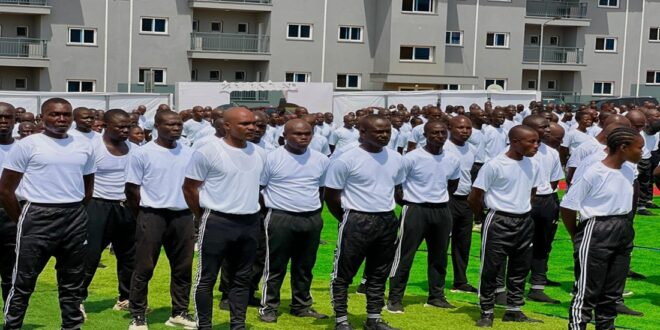
The first phase of the program will see 400 recruits, both men and women, undergo rigorous training by the Ghana Navy Riverine Command, under the supervision of the Minerals Commission. This training will focus on developing the expertise needed to tackle illegal mining operations that have wreaked havoc on Ghana’s waterways.
Speaking at the launch in Ezinlibo, Western Region, Minister of Lands and Natural Resources, Emmanuel Armah-Kofi Buah, delivered a powerful message on behalf of President John Dramani Mahama. He emphasized the critical importance of the Blue Water Initiative, stating, “The protection of our river bodies is being entrusted to you. You cannot afford to be complacent or irresponsible in the discharge of your duties.”
The Minister stressed the vital role of Ghana’s rivers, not just as water sources, but as the lifeblood of communities, supporting agriculture, fisheries, and tourism. He condemned the “selfish actions of illegal miners” that are robbing the nation of these resources.
The River Guards will be tasked with monitoring river health, reporting illegal activities, and enforcing regulations, working in collaboration with law enforcement agencies. “This is not just a government initiative; it is a national call to action,” Armah-Kofi Buah declared, promising to recruit 2,000 guards nationwide.
The Western Regional Minister, Joseph Nelson, highlighted the devastating impact of illegal mining in his region, the heart of Ghana’s extractive industry. He cited the forced closure of the Bonsa Water Treatment Plant due to severe pollution, revealing the scale of the crisis. He also noted the cross-border implications, with contaminated water causing tensions with neighbouring Ivory Coast.
“The Western Region holds one of the three major water systems in the country and has the highest concentration of water pollution caused by illegal small-scale mining activities,” Nelson explained.
The initiative has been widely welcomed by stakeholders. Emmanuel Kwamena Anyimah, Deputy CEO of the Minerals Commission, affirmed its alignment with the commission’s mandate for sustainable mineral resource management. Constance Aning, a Senior Water Management Officer at the Water Resources Commission, praised the program as “timely and crucial,” highlighting the severe damage inflicted on rivers like the Ankobra.
The launch of the Blue Water River Guard program marks a significant step in Ghana’s fight against illegal mining. It represents a commitment to protecting the nation’s natural resources and ensuring a sustainable future for its communities.