 Ghana Mining Review A reliable source of mining industry news in Ghana


Related Articles


A recent report alleges that a World Bank-backed strategy to develop Ghana’s oil and gas sector has saddled the nation with crippling debt and an expensive, unreliable power grid. The findings from ActionAid Ghana and SOMO, a civil society organization, challenge the long-held view that fossil fuels would be a key driver of Ghana’s economic prosperity.
The report, titled Gaslighting Ghana, claims that by 2022, the nation was unable to meet its debt obligations for the third time since it became an oil and gas producer. The authors attribute this to a series of public-private partnerships, heavily supported by the World Bank, which included ‘take-or-pay’ clauses. These clauses guarantee payments to foreign investors whether the power is used or not, allegedly draining over $1 billion from Ghana’s public coffers annually.
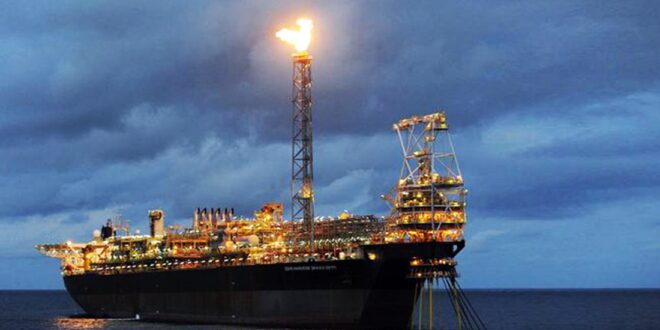
This critique comes as the World Bank is reportedly re-evaluating its 2017 decision to cease investments in new upstream gas projects. The bank’s flagship project, the Sankofa offshore gas field, received $1.2 billion in financing and guarantees in 2015. In total, the World Bank has committed nearly $2 billion to the country’s fossil fuel sector in recent decades.
The report also highlights the country’s position as an early adopter of the World Bank’s model for unbundling the electricity sector and promoting independent power producers (IPPs). This approach, widely promoted by the bank, is now facing increased scrutiny. According to the report, IPPs are providing electricity at rates significantly higher than in neighboring Nigeria.
As a result, citizens are footing the bill. In 2024, Ghana’s then-energy minister, Dr. Mohamed Amin Adam, announced a 70 percent increase in electricity tariffs as part of reforms linked to a new $260 million World Bank financing agreement.
John Nkaw, ActionAid Ghana’s country director, called for a fundamental shift in strategy. He advocates for an end to all new fossil fuel projects, the cancellation of existing fossil fuel debt, and a move toward public investment in renewable energy. Nkaw argues that Ghana’s energy future must be “climate-resilient, democratically governed, and free from exploitative fossil fuel arrangements.”