 Ghana Mining Review A reliable source of mining industry news in Ghana


Related Articles

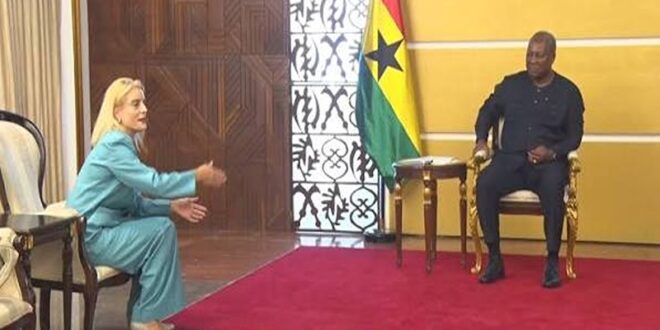
Switzerland used the occasion of its 735th National Day to deliver both a tribute and a warning to its host country, as outgoing Ambassador Simone Giger closed a four year tour marked by praise for Ghana’s people and pointed concern over its environmental governance.
The reception in Accra doubled as a farewell, drawing Ministers of State, members of the diplomatic corps, Members of Parliament, traditional leaders, the Swiss community and development partners. Giger used the platform to reaffirm Switzerland’s status as one of Ghana’s longest-standing development partners, with cooperation spanning trade and investment, climate action, peacebuilding, governance, education, renewable energy and sustainable agriculture, a relationship she said has “maintained long standing cordial diplomatic relations for decades.”
Switzerland’s own governance model featured prominently in her remarks, which she framed as a case study in institutional durability with strong institutions, a distinct democratic system, civic participation, innovation, economic freedom and peace, all cited as reasons the country continues to draw global admiration. Giger described her four years in Ghana as “deeply rewarding,” built substantially on road travel across the country including Paga, Damongo, Wa, Prang and Keta — that gave her direct exposure to Ghana’s transport network and regional diversity.
Giger characterised Ghana as a country with a rare combination of natural beauty and cultural richness, citing its traditions, languages, music, festivals and artistic expressions and singled out the creativity, energy and confidence of young Ghanaians as a strong signal of the country’s development potential. That optimism came with a clear qualifier as Giger acknowledged persistent governance and institutional weaknesses, arguing that stronger institutions and greater transparency remain essential to unlocking Ghana’s full potential. Her sharpest concern centred on illegal mining, which she said was inflicting serious damage on rivers and forests, degradation she described as a threat to both the environment and future generations.
She closed with two proverbs bracketing her message, one Akan, one drawn from Ghana’s founding leader, pairing a call to action with a call to persistence, “The bird that does not fly does not eat,” and Kwame Nkrumah’s “Forward ever, backward never.” Responding on behalf of the government, Minister for Communication, Digital Technology and Innovations Samuel Nartey George characterised the Ghana-Switzerland relationship as productive and mutually beneficial, built on shared commitments to democratic institutions, good governance and youth opportunity. George noted, “As you rightly observed, our greatest resource is our people and together we must create the conditions that allow them to thrive.”.
He pointed to concrete areas of Swiss support like the cocoa sector, renewable energy, Ghana’s decentralisation agenda and climate initiatives alongside the contribution of more than 50 Swiss companies operating in Ghana through investment and job creation. George also acknowledged Switzerland’s financial, equipment and technical backing for the Kofi Annan International Peacekeeping Training Centre (KAIPTC). For a bilateral relationship built substantially on governance cooperation, the departing Ambassador’s closing message was less a diplomatic pleasantry than a specific policy marker, one that puts illegal mining’s environmental toll squarely on the record as Ghana looks to sustain investor confidence in its institutions.