 Ghana Mining Review A reliable source of mining industry news in Ghana


Related Articles


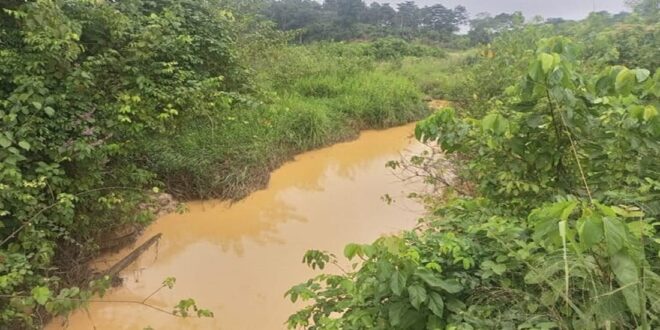
Ghana, Africa’s leading gold producer and the world’s second-largest cocoa exporter, has implemented a total prohibition on all mining operations within its forest reserves. The move, which marks a significant reversal of the nation’s environmental policy, took effect this week following a mandatory 21-day constitutional period, according to a statement from the Ministry of Environment, Science and Technology. The ban is a direct response to rampant deforestation, the contamination of river systems, and the devastation of cocoa plantations, primarily driven by unregulated artisanal mining activities.
The prohibition repeals 2022 Environmental Protection regulations that had permitted controlled mining within the reserves. Authorities in Accra say the policy shift is essential to protect vital water resources and agricultural land, as illegal small-scale operations have spread to affect 13 of Ghana’s 16 regions, including key cocoa-growing areas in the Ashanti, Western, and Eastern provinces. Acting Environment Minister Emmanuel Armah-Kofi Buah underscored the urgency of the protection, stating, “Healthy forests bring rainfall, protect our farms, and give life to our communities. Clean rivers secure our drinking water and our future.”
Major industrial mining companies, including Gold Fields, AngloGold Ashanti, Newmont, and Asante Gold, have also felt the impact, reporting frequent incursions by unlicensed miners onto their concessions. This rampant trespassing has forced the firms to allocate substantial capital towards enhanced security infrastructure, aerial surveillance technology, and community outreach initiatives to safeguard their operations, Reuters reported. The authorities have concurrently undertaken comprehensive sector reforms, establishing formal licensing systems and community mining schemes while intensifying enforcement against illegal operators and gold trafficking.
Environmental advocate Daryl Mensah-Bonsu of Da Rocha Ghana noted that the reversal restores crucial protections, given that the previous framework had effectively opened nearly 90% of reserves to mining. While welcoming the decisive policy change, Mensah-Bonsu cautioned that the new prohibition alone is not a “panacea,” stressing that additional measures, including forest restoration programmes, remain vital to fully address ongoing encroachment and sustain long-term ecological health. The ban provides Ghana with enhanced legal mechanisms to protect its critical natural capital, balancing the demands of mineral extraction with environmental stewardship.